FREE sourcing support · Eligible support up to 3%Eligibility applies to qualified business buyers and is confirmed after we review your product, quantity, destination, and sourcing requirements.
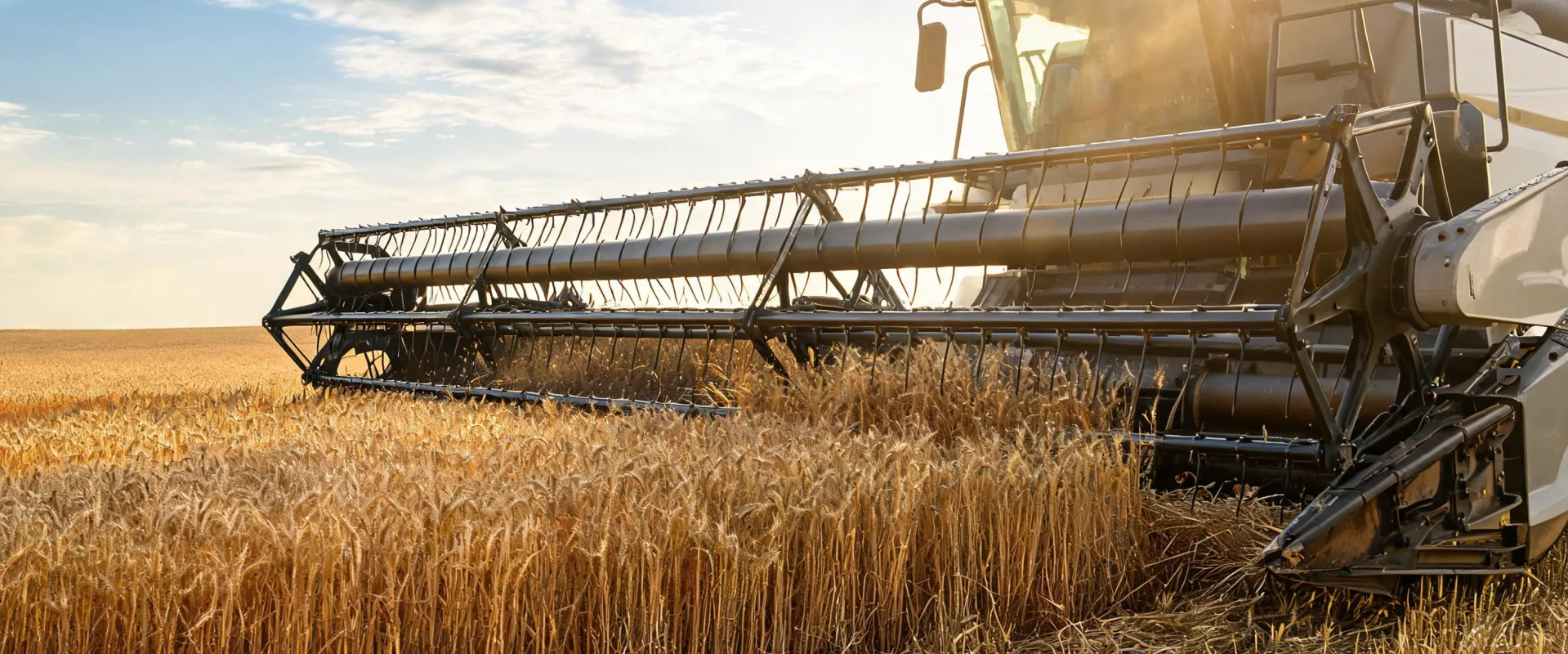
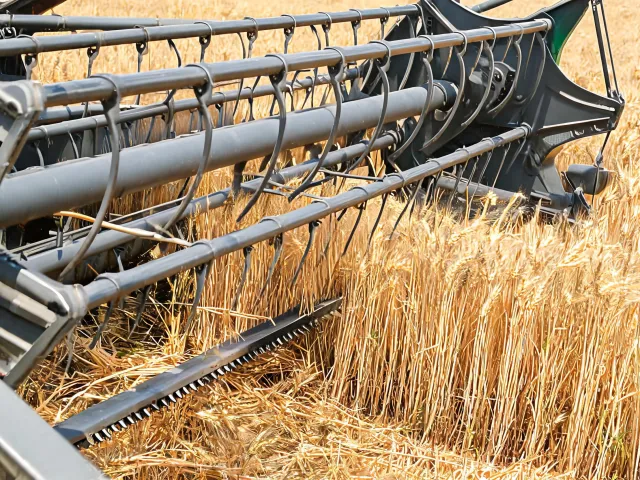
Unbranded combine header in a wheat field

Crop / Capacity / Interface

Combine harvester header requirements by operating situation

Translate the crop and field task into a header brief. Nominal width is only one comparison point: the feeder interface, crop condition, drive arrangement and handling capacity must also match the receiving machine.

Describe the harvest rather than just the attachment

Small-grain cutterbar and reel

Small-grain operations

Identify wheat or another small grain, standing or lodged crop, field surface and the working-width target in ft or m. Describe the feeding arrangement and the combine throughput basis rather than treating width as a capacity claim.

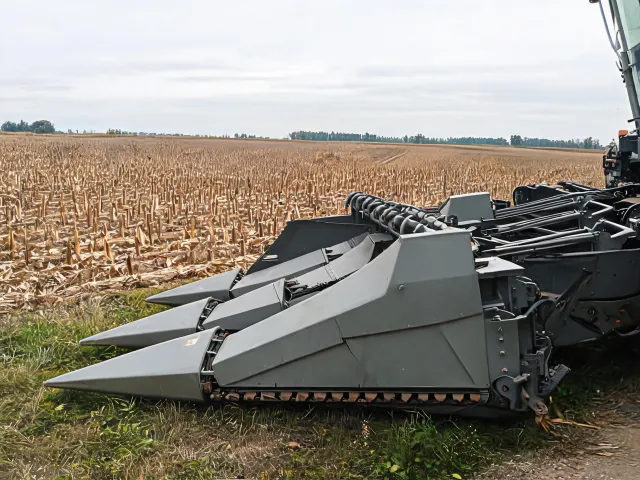
Corn harvesting header

Corn harvest planning

State row count, row spacing, expected crop condition and residue-handling requirements. Confirm the connection and drive scope for the named combine. A quoted header without adapters or required couplings may not cover the intended installation.

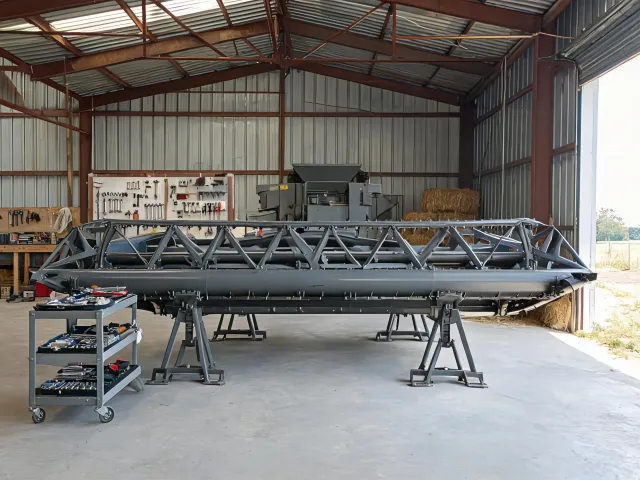
Combine header maintenance before harvest

Fleet overhaul and spares

List each assembly reference and serial range. Group wear items by installation position, drawing revision and pack unit. Specify which service documents and spare quantities are needed before the seasonal work window.

Hold these assumptions constant across offers

Crop and throughput basis

Record crop type, grain moisture content basis and operating conditions used to describe the capacity target. A dry, upright crop and a damp, lodged crop do not create the same feeding requirement. Ask the supplier to state its test or sizing assumptions.

Working width and power

Keep working width, receiving machine model, available power and connection requirements on one sheet. Power alone does not establish compatibility with the cutter drive, hydraulic circuit or control functions.

Receiving and support scope

Confirm shipping dimensions, unloading arrangements, assembly tasks and commissioning responsibility. Request spare-parts references and service instructions for the quoted configuration rather than assuming local installation support.
Application comparison scenario · No customer claim

More width or a simpler replacement?

Wider working scope

A buyer considering a wider header must review feeding capacity, power, transport envelope and the field layout together. Additional cutting width can change the operating balance; it is not evidence of higher practical output in every crop.

Existing-width replacement

Keeping the existing nominal width can simplify the scope, but the feeder mounting, drive, controls and clearance still require drawings. Compare the total installation and service package, not just the header unit price.

These are procurement decisions, not measured project outcomes. Ask the supplier for the applicable limitations and approval evidence; no yield, throughput or savings improvement is promised.

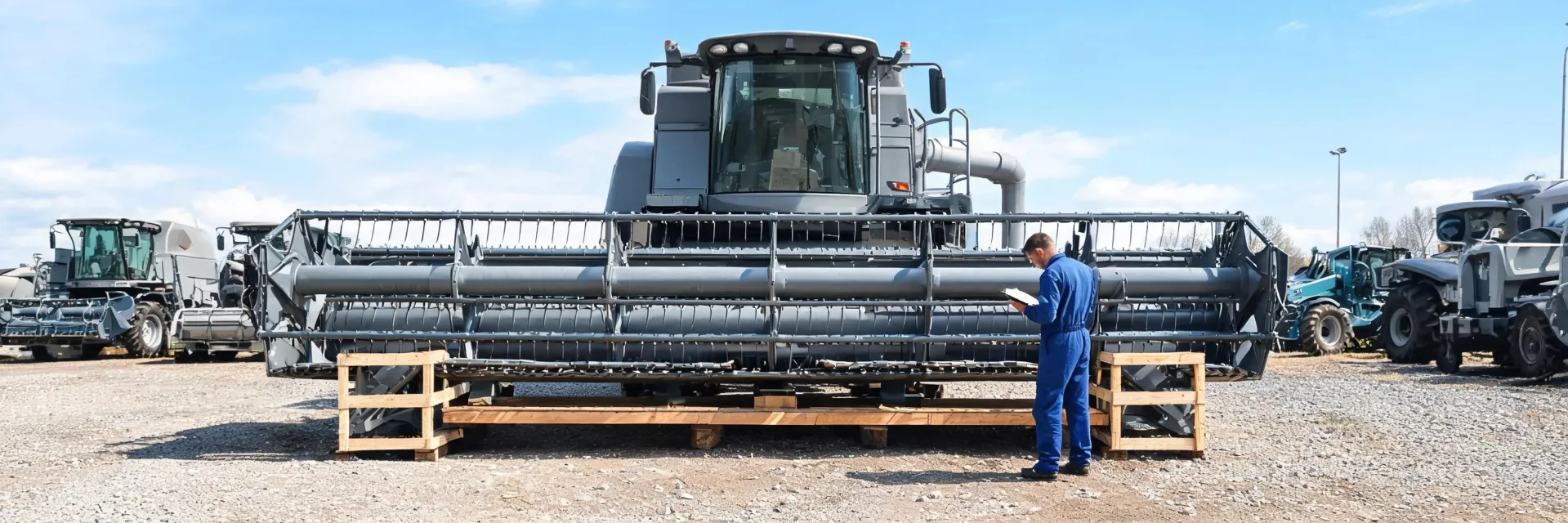
Header inspection before loading

Submit the crop and machine combination

Send the header requirement, crop and throughput basis, working width or capacity, power and interface, grain moisture or handling target, quantity and US destination. Include the required seasonal date and optional budget to compare complete offers.

Request Factory QuotesView inquiry options

Business sourcing support

FREE sourcing support

Support up to 3% may apply after eligibility review. This is a conditional sourcing benefit; your quotation defines the scope.

Eligibility applies to qualified business buyers and is confirmed after we review your product, quantity, destination, and sourcing requirements.

Share your requirements